
The Pew Center for Arts & Heritage

Noise from the 18th Floor: Dustin Hurt

What may be considered music by one artist could be considered noise by another. Noise from the 18th Floor, a music program of The Pew Center for Arts & Heritage, is meant to challenge our notions of music and noise with playlists that represent a range of genres, accompanied by interpretive narratives. Each program in the series is curated by a local music expert and highlights the work of the Center's constituents and grantees, helping to build awareness of our region's cultural vibrancy.

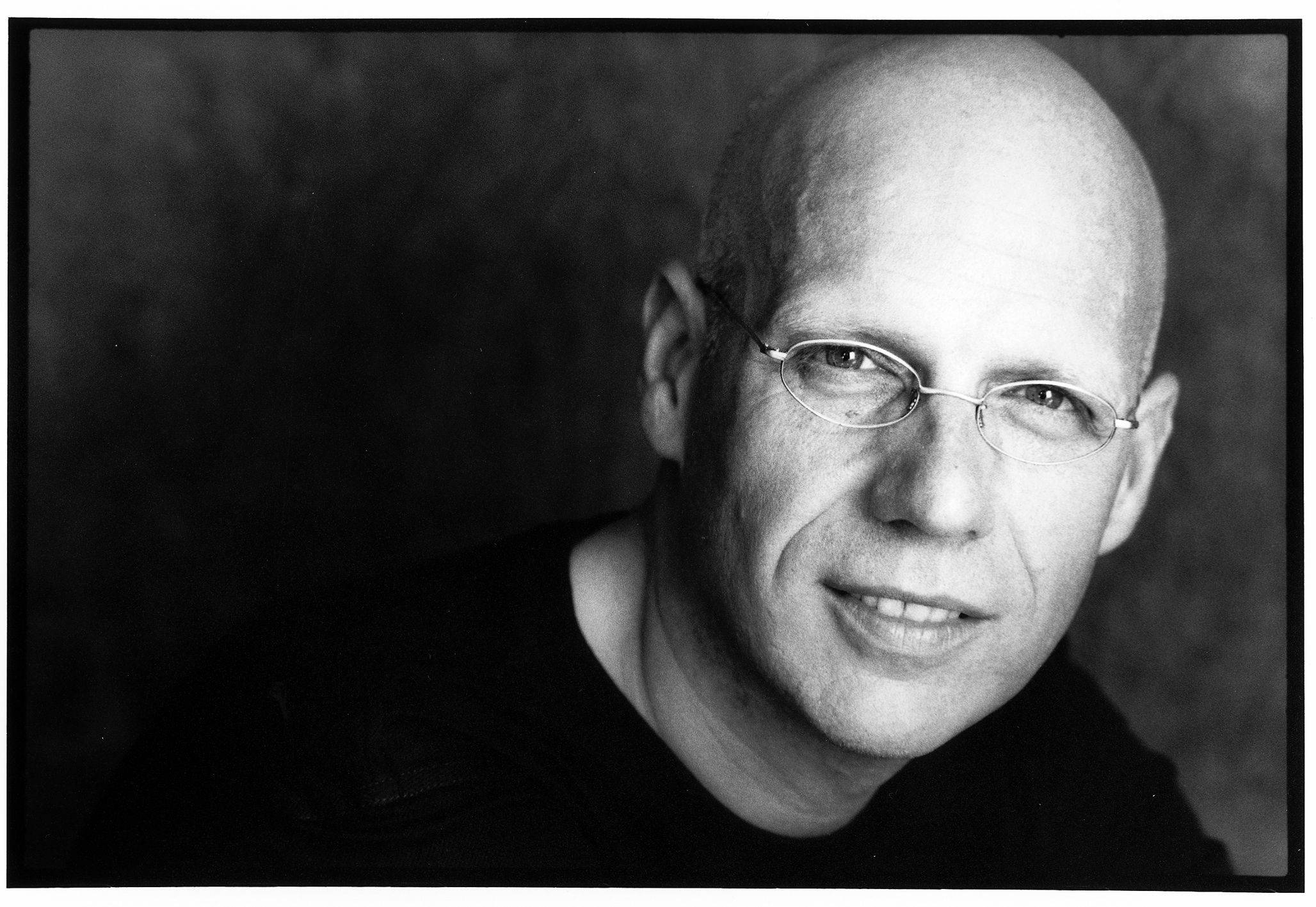
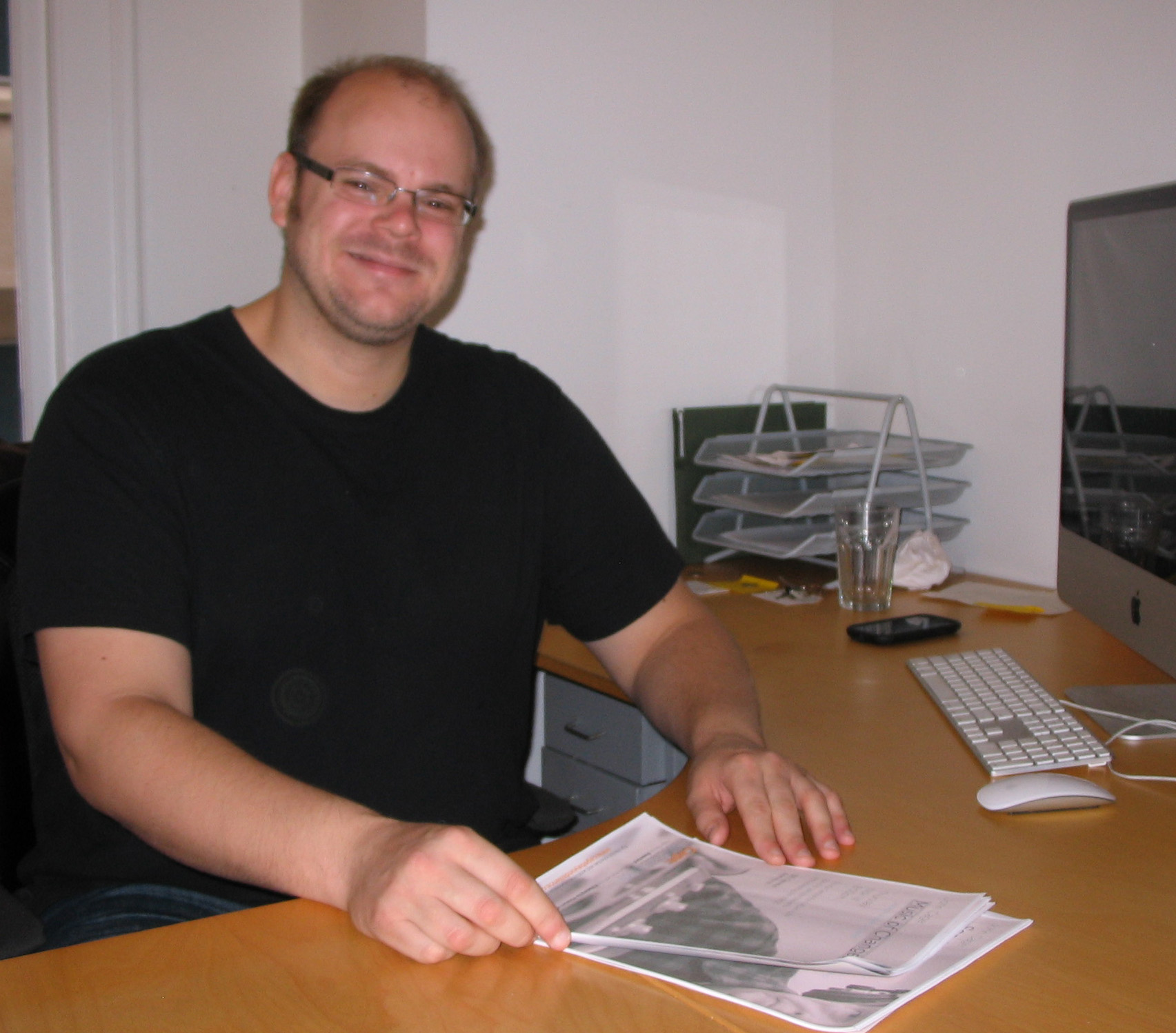
The fifth edition of Noise from the 18th Floor, Bowerbird-Cage, is curated by Dustin Hurt, the Director of Bowerbird. Bowerbird is a Philadelphia-based organization that presents contemporary music and interdisciplinary events. Tracey Tanenbaum, public radio veteran, is producer and host of the series, providing listeners with insightful interviews interspersed with the curators’ music selections. Click here for full curator and host bios. For information on our previous editions of Noise, please visit the archive pages linked below.


Launch Noise from the 18th Floor Player

Click the banner above to tune into Noise from the 18th Floor.


Current Schedule (all times listed in EST):

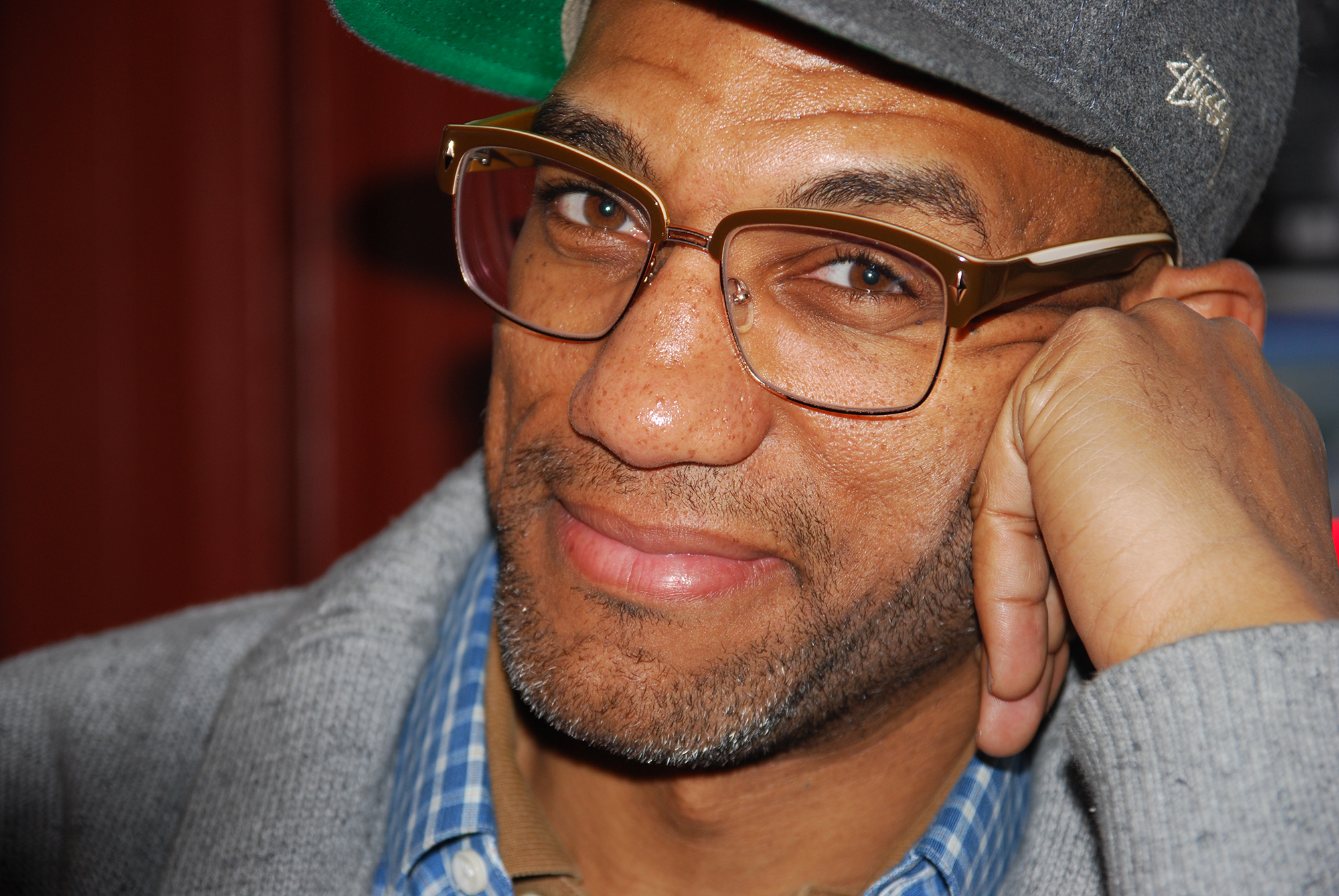
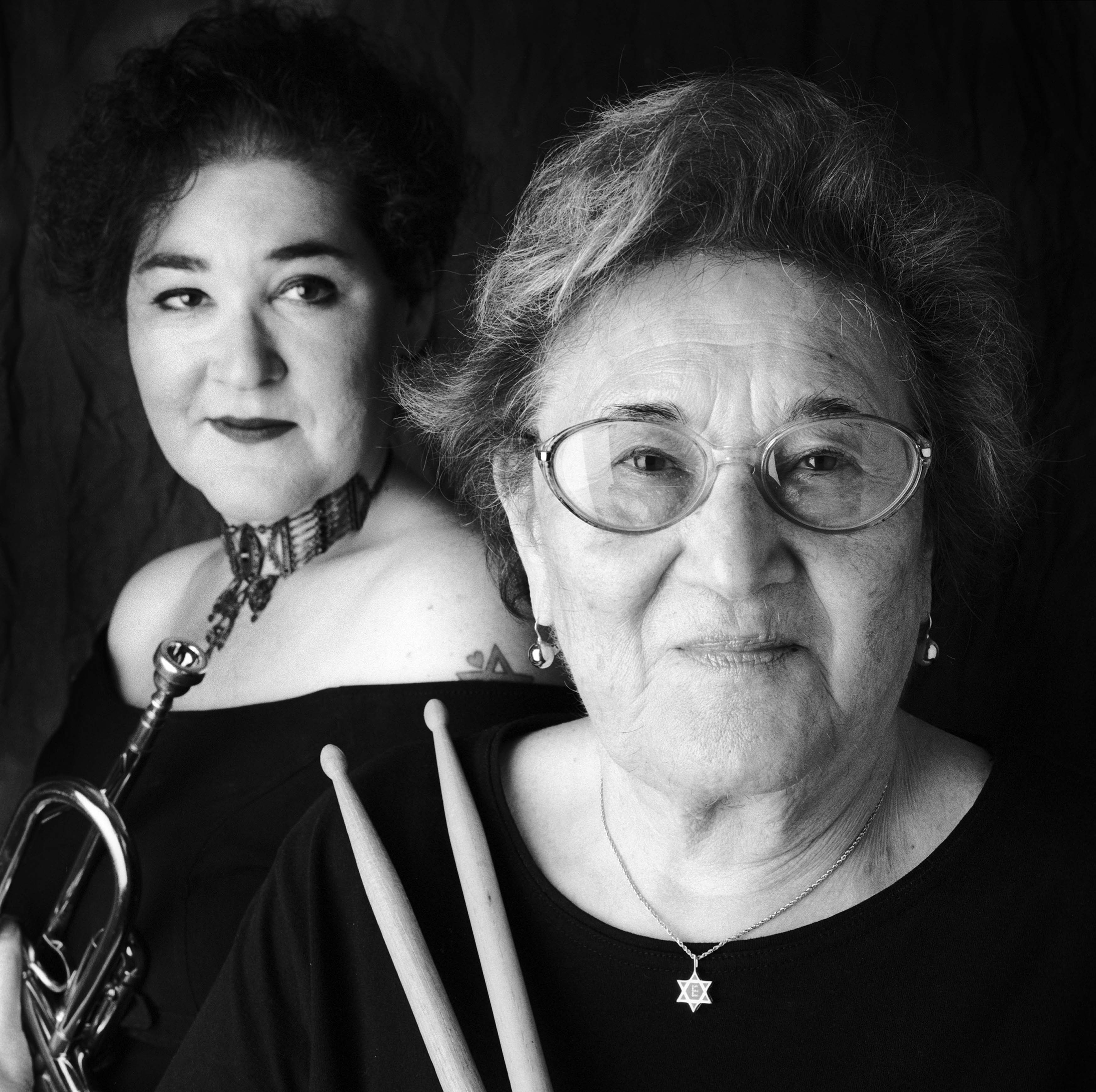
12 a.m.– Klezmer: Voices from Three Generations with Elaine Hoffman Watts, Susan Watts, and Dan Blacksberg***
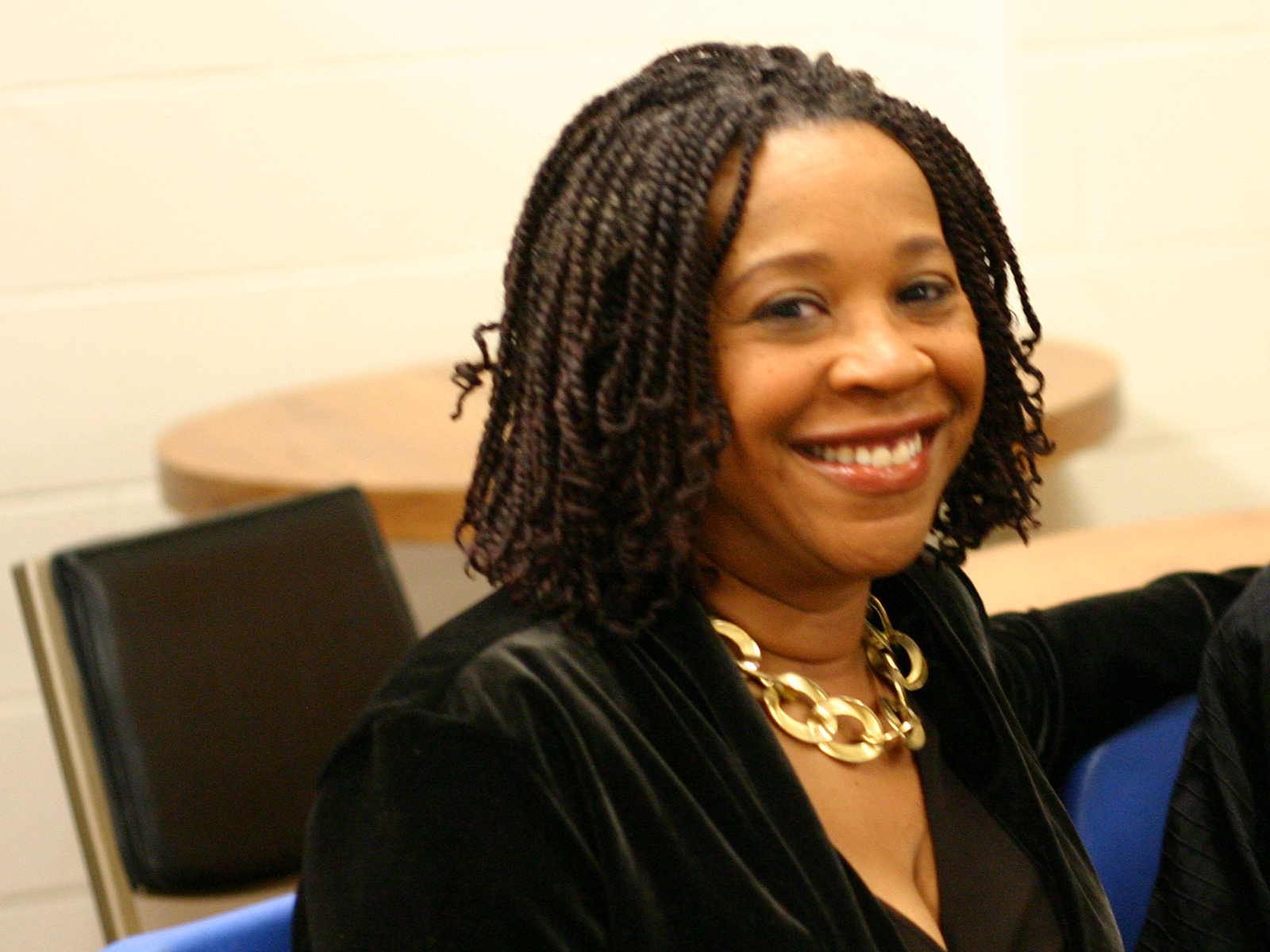
2 a.m. – Cosmic Culture: A Sonic Journey Into Afrofuturism with King Britt**

4 a.m. – Post-Modern Choral Music with Donald Nally*
6 a.m. – The Voice of the People with Helen Haynes*
8 a.m. – Cage: Beyond Silence with Dustin Hurt
10 a.m. – Klezmer: Voices from Three Generations with Elaine Hoffman Watts, Susan Watts, and Dan Blacksberg***
12 p.m. – Cosmic Culture: A Sonic Journey Into Afrofuturism with King Britt**
2 p.m. – Cage: Beyond Silence with Dustin Hurt
4 p.m. – Post-Modern Choral Music with Donald Nally*
6 p.m. – The Voice of the People with Helen Haynes*
8 p.m. – Cage: Beyond Silence with Dustin Hurt
10 p.m. – Cosmic Culture: A Sonic Journey Into Afrofuturism with King Britt**

Download Dustin Hurt's playlist (PDF)

Archived playlists: King Britt (PDF) | Helen Haynes (PDF) | Donald Nally (PDF) | Elaine Hoffman Watts & Susan Watts (PDF) Dan Blacksberg (PDF)

* For more about our first and second editions with Helen Haynes and Donald Nally, visit their Noise from the 18th Floor archive page.
** For more about our third edition with King Britt, visit his Noise from the 18th Floor archive page.
**
*For more about our fourth edition with Elaine Hoffman Watts, Susan Watts, and Dan Blacksberg, visit their Noise from the 18th Floor archive page.


Bowerbird-Cage
Featuring Dustin Hurt

"Which is more musical: a truck passing by a factory or a truck passing by a music school?" —John Cage

As both a philosopher and composer, John Cage is considered one of the defining voices of the avant-garde in the 20th century. Born in 1912, Cage would have turned 100 this year and around the world, musicians and artists are celebrating his life and work. In Philadelphia, Bowerbird, in collaboration with the Philadelphia Museum of Art, has launched an impressive Center-funded festival of events called Cage: Beyond Silence. Click here for a complete listing of Cage-related national and international events.

In this edition of Noise from the 18th Floor, Dustin Hurt and Noise host Tracey Tanenbaum explore the music and philosophy of John Cage. Hurt has curated a playlist that highlights many of Cage’s significant works, including his early prepared piano pieces, Indeterminacy; his original 1958 electronic composition Fontana Mix with a 2012 realization by Chris Madak; and several of Cage’s Number Pieces.

“The highest purpose is to have no purpose at all” —John Cage, Silence

Cage was a pioneer and a musical maverick on every level, pushing boundaries at every turn. He invented and explored a broad range of musical styles, formats, and compositional techniques including electronic music, percussion music, graphic notation, chance operations, multimedia, and interdisciplinary collaboration. To say Cage was prolific is an understatement. He composed over 200 musical works from small formats to enormous multimedia pieces, gave countless lectures, and wrote extensively about his work.

The international centennial celebrations acknowledge and further define Cage’s widespread influence. Gone are the days in which one can label Cage’s experiments as a novelty—as time unfolds we are just now catching a glimpse of his place in history. Since Cage’s death in 1992, historians, musicians and listeners have universally agreed that Cage may be the one of the most radical, thought provoking composers of all time. Even his former teacher, Arnold Schoenberg, expressed mixed thoughts about Cage’s work. Schoenberg would say that John Cage was "not a composer, but an inventor—of genius!" This high compliment was full of curious subtext that would come to define Cage as an artist.


To wet your whistle, watch John Cage performing his composition Water Walk in January 1960 on the popular TV show I've Got A Secret.


About Cage’s career:

As a young person Cage was interested in Indian music and Eastern philosophies. He spent much of the 1930s composing for percussion and in 1938, he invented the prepared piano.

Early in the 1940s, Cage moved to New York City. This period also marked the beginning of a lifelong collaboration with dancer Merce Cunningham. During this period Cage composed more work for prepared piano, including his early masterpiece, Sonatas and Interludes.

Cage visited the anechoic chamber at Harvard University in 1951. This chamber was designed to eliminate all sound, but instead Cage heard two things: the low frequencies of his circulatory system pulsing away and the high buzzing of his nervous system. This visit made a lasting impression on Cage. Also in this period, Cage began studying Zen and discovered the I Ching. This interest reinforced the idea of eliminating personal taste from his compositional process, leading to his work with “chance-operations.”

As a response to these discoveries, he created 4’33” in 1952. Cage composed this piece using the same system of chance-operation as in his other pieces from this period with one addition—he left the musical content to sounds in the environment instead of sounds created by the performer.

From the early 1950s into the 1960s, Cage was a central figure in the New York School, a circle of composers that closely worked with Cage forging uncharted musical territory. This group included Morton Feldman, Earle Brown, Christian Wolff, and David Tudor. This group was named and inspired by the movement of New York Abstract Expressionist painters of the same name: Jackson Pollock, Willem de Kooning, Mark Rothko, and Franz Kline.
 
During the 1960s, three significant books of Cage’s writing were published: Silence (1961); A Year from Monday (1967); and Notations (1969).

From early on in his career, Cage worked with artists in multiple disciplines, oftentimes in collaboration with the Cunningham Company. In the 1960s Cage continued these explorations by creating several large scale, multimedia works. He composed Musicircus in 1967, which was a slide and light show with dancers, mimes, singers, rock, and jazz performers. In 1969 he composed a massive piece called HPSCHD for seven harpsichords, 51 tapes, 40 films, and 6,400 slides that were shown from 64 slide projectors.

In 1970 Cage finished and published Song Books, a collection of 90 short works that included songs and theater “actions.” Song Books used a variety of notation systems including standard notation, systems of dots and lines, and text-only instructions.

In 1979 Cage composed Roaratorio for electronic tape and live performers. Roaratorio is an attempt to translate James Joyce's novel Finnegan’s Wake into sound. It involves three simultaneous elements to create the soundscape of the novel: John Cage reading lines from the text; a barrage of sound effects (many recorded in Ireland and other geographical locations mentioned in the novel); and traditional Irish Music.

In the 1980s, Cage composed a series of Number Pieces that reflected his interest towards minimal and restrained sounds. These pieces consist of short notated “sound events” to be played at any tempo within indicated time constraints. The numbers represent the number of performers in each piece, often with superscripts to indicate the number of that particular number piece (e.g., one8 is the eighth piece for solo performer).

Much has been written about the work of John Cage, including a wealth of material from Cage himself. The following excerpt is from Silence by John Cage:

For over 20 years I have been writing articles and giving lectures.  Many of them have been unusual in form—this is especially true of the lectures—because I have employed in them means of composing analogous to my composing means in the field of music. My intention my intention has been, often, to say what I had to say in a way that would exemplify it: that would, conceivably, permit the listener to experience what I had to say rather than just hear about it. This means that, being as I am engaged in a variety of activities, I attempt to introduce into each one of them aspects conventionally limited to one or more of the others.

So it was that I gave about 1949 my
Lecture on Nothing at the Artists’ Club on Eighth Avenue in New York City (the artists’ club started by Robert Mother well, which predated the popular one associated with Philip Pavia, Bill de Kooning, et al.). This Lecture on Nothing was written in the same rhythmic structure I employed at the time in my musical compositions (Sonatas and Interludes, Three Dances, etc.). One of the structural divisions was the repetition, some fourteen times, of a single page in which occurred the refrain, “if anyone is sleepy let him go to sleep.” Jeanne Reynal, I remember, stood up part way through, screamed, and then said, while I continued speaking, “John, I dearly love you, but I can’t bear another minute.” She then walked out. Later, during the question period, I gave one of the six previously prepared answers regardless of the question asked. This was my reflection of my engagement in Zen.


Watch a video of John Cage discussing silence in 1982.
 

Dustin Hurt commissioned Chris Madak to create a realization of John Cage’s 1958 composition Fontana Mix specifically for this Noise episode. Fontana Mix consists of a total of 20 pages of graphic materials: 10 pages covered with six curved lines each, and 10 sheets of transparent film covered with randomly-placed points.


According to Cage, these sheets could be superimposed upon each other and then interpreted so as to indicate differences in such elements as tone, duration, or volume of a variety of different sound events. Along with his audio realization, Chris Madak includes notes on interpretation of the score. From Madak:

Interpreting a score such as Fontana Mix is not so much a simple matter of carrying out a sequence of more or less ambiguous instructions as it is an invitation to understand the role that the work played in the composer's oeuvre and to endeavor to make faithful yet novel use of it; to use for one's own ends a tool that John Cage developed for his, and to do so in a manner that hews to the proverbial spirit of the law more so than the letter. This is both a tacit philosophical position on the work of interpreting a score generally speaking and an example of the specific priorities that lead us to regard Cage as the wellspring of a specifically “experimental” tradition…  

To read more from Madak's piece What is Fontana Mix?, click here.

Listen to Fontana Mix below:

Fontana Mix - Chris Madak by pcah
 

This edition of Noise from the 18th Floor was produced and hosted by Tracey Tanenbaum with Rodney Whittenberg of Melodyvision as sound engineer.


Curator and Host Bios


Dustin Hurt, Founder and Director of Bowerbird

About Bowerbird

Situated at the forefront of artistic experimentation, Bowerbird is a Philadelphia based nonprofit organization that presents music and interdisciplinary events by local and internationally recognized artists at a variety of venues across the region. The mission of Bowerbird is to raise the public’s awareness and understanding of provocative and divergent music traditions by providing numerous and diverse opportunities to directly experience the work of today’s leading artists.

Founded in late 2005, Bowerbird presents over 70 events annually, including many important world and Philadelphia premieres and rare appearances, and has emerged as a vital forum for the most disparate forms of creativity. Championing local, national, and international artists, as well as the work of significant historical figures, Bowerbird provides an important platform for understanding and critique of broader conceptual and global trends and seeks to enhance society’s understanding and appreciation of these artistic contributions by not only presenting artists and their ideas, but also discussing them openly and critically.

A key component of the Bowerbird community is an active group of Philadelphia-based artists who participate both as performers and the audience. In addition to giving these artists a greater voice, Bowerbird is particularly interested in helping them realize special projects and bringing their work into dialogue within a wider cultural context.

Click here for extensive coverage of the Bowerbird Cage: Beyond Silence festival from Sound American.

Download Dustin Hurt's playlist (PDF)

In the video below, Dustin Hurt discusses the work of John Cage and his approach to curating the Cage: Beyond Silence festival.


Tracey Tanenbaum (host) spent close to two decades in public radio. During her time at WHYY, and later WXPN, she produced national and local programming, reported on arts and health, and interviewed numerous musicians and performers. She has also moderated panels at the Free Library, Arts & Business Council, and through First Person Arts. Tanenbaum taught radio programming to professionals in Romania and, closer to home, she developed a course on arts reporting for University of Pennsylvania undergraduates. More recently, she has taken the producing skills she honed in public radio into other sectors, helping non-profit organizations tell their stories through Web-based audio features. Her clients have included Children’s Hospital of Philadelphia, the Lutheran Settlement House, and the University of Pennsylvania’s Perelman School of Medicine. She received her BS in Government at Oberlin College, and M.S.Ed. in Psychological Services at the University of Pennsylvania.

In the below video, host Tracey Tanenbaum is joined by engineer Rodney Whittenberg of Melodyvision to talk about their process in working with the curators to produce programs for Noise from the 18th Floor.


Noise from the 18th Floor is powered by Live365.

Main Noise image by jamacove on deviantART.